


Culture
The culture of any group essentially refers to the aggregate, or average, consistent way to behave as a group member. Put another way, culture describes how we must behave in order to fit in with a group.
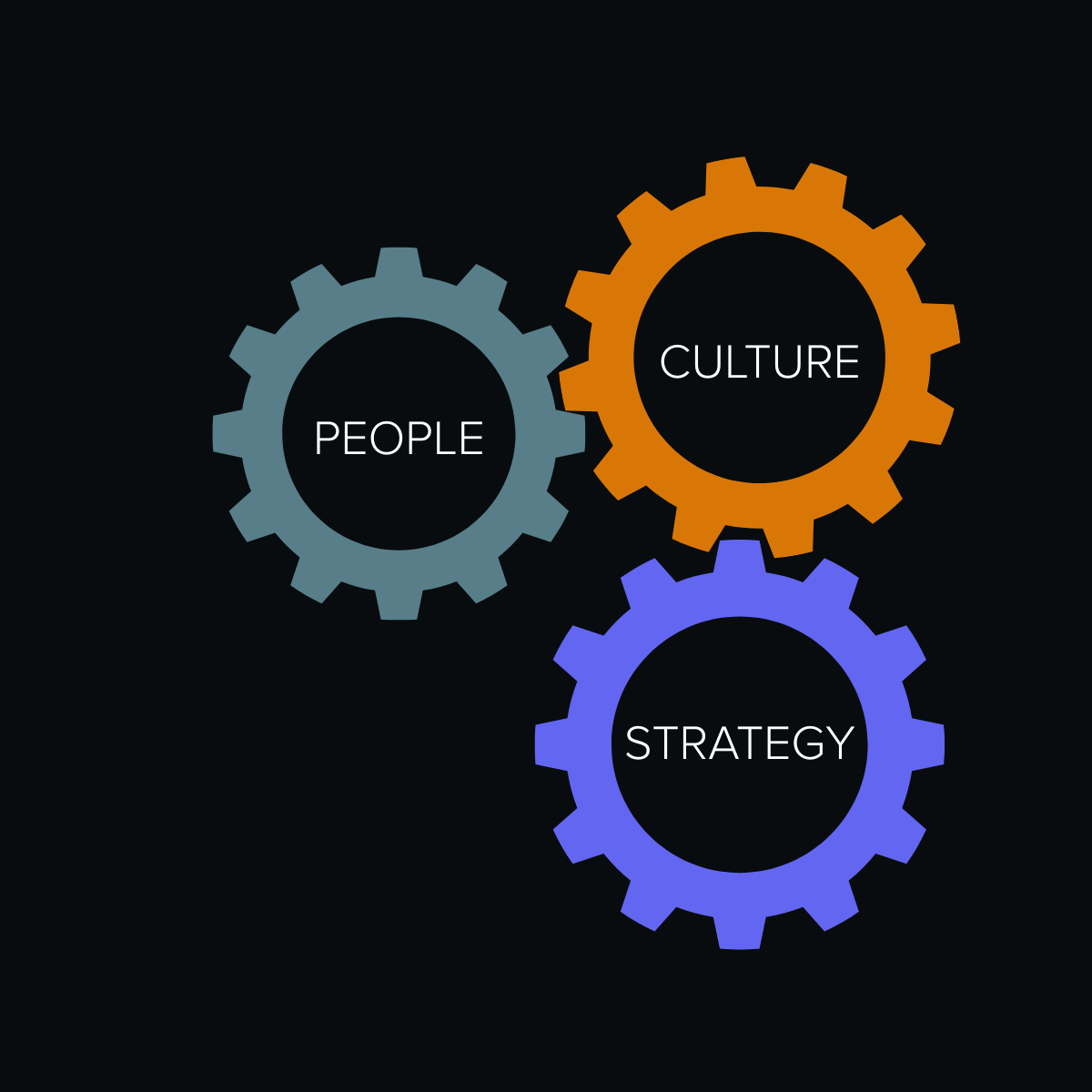
Culture is very simple, and at the same time extremely complex. Simply put it is the driver of much of the automatic, assumed behaviours that become so common and consistent that we can forget that other ways of doing things even exist.
Foundational writing and insights into culture have been provided by Edgar Schein, who very simply stated that culture refers to the pattern of shared basic assumptions learned by the group collectively as a whole, as it solves problems externally (say in the market) and internally (with integration, storming, and people collaboration). He outlined three distinct levels of culture that continue to be reflected in modern definitions:
Artifacts: visible things, language, dress codes, tech stacks, that sort of thing (the surface level)
Espoused values: strategies, goals, and philosophies that are publicly stated and signaled
Basic underlying assumptions: Unconscious, taken-for-granted beliefs that actually dictate behaviour
Review work has also subsequently reinforced this definition and further enhanced our understanding of the layers of how we experience work and group collectivism. Further the concept of culture was differentiated from the concept of 'climate', which is a more transient and contextual feeling and experience that people attach to how things feel, which differs materially from culture, again referring to deeply rooted and underlying assumptions.
Culture has been shown time and time again to significantly and dominantly impact performance at the group and individual levels. Focusing on culture and alignment has a drastic impact on the predictability of performance, and on reducing the hidden performance handbrake of counter-value behaviours from individuals.
The concept of culture continues to become more critical as we have shifted towards much more widespread and diverse hybrid working environments for businesses and individual teams. Rather than 'letting' culture happen naturally, as this is destined to fail even in traditionally set up and distributed teams, and is guaranteed to result in toxicity relatively quickly, despite the best of intensions if they are present. Culture needs constant work and maintenance, especially in modern hybrid environments. The strategy and focus here is advised to be heavily focused on every day team rituals, and work performance.
Research findings
Culture effectively defined and three levels identified (Schein, E. H., & Schein, P. A. 2017)
Organisational culture defined for the modern world, and three layers of cultural signaling outlined (Schein, E. H., & Schein, P. A. 2017)
Culture and immediate sensations of climate delineated (Schneider, Ehrhart, & Macey 2013)
Culture defined as deeply rooted assumptions and behaviours, distinct from day to day and transient climate (Schneider, Ehrhart, & Macey 2013)
https://www.scirp.org/reference/referencespapers?referenceid=3798271
Modern hybrid workplaces especially in need of culture focus from leaders (Academy of Management (AOM) Annual Reviews 2024–2025)
Setup of modern hybrid and functional workplaces, given the distributed nature and more focus on revenue, requires additional focus and work on culture (Academy of Management (AOM) Annual Reviews 2024–2025)