


Neurodiversity
According to the neurodiversity paradigm, neurodiversity can be defined as a biological fact. That is to say, human beings (homo sapien sapiens) are inherently diverse in their neurological make-up with a number of neurotypes. These include differences and diversity related to examples such as ADHD, Autism, etc, but also in terms of broader concepts like intellectual capability.
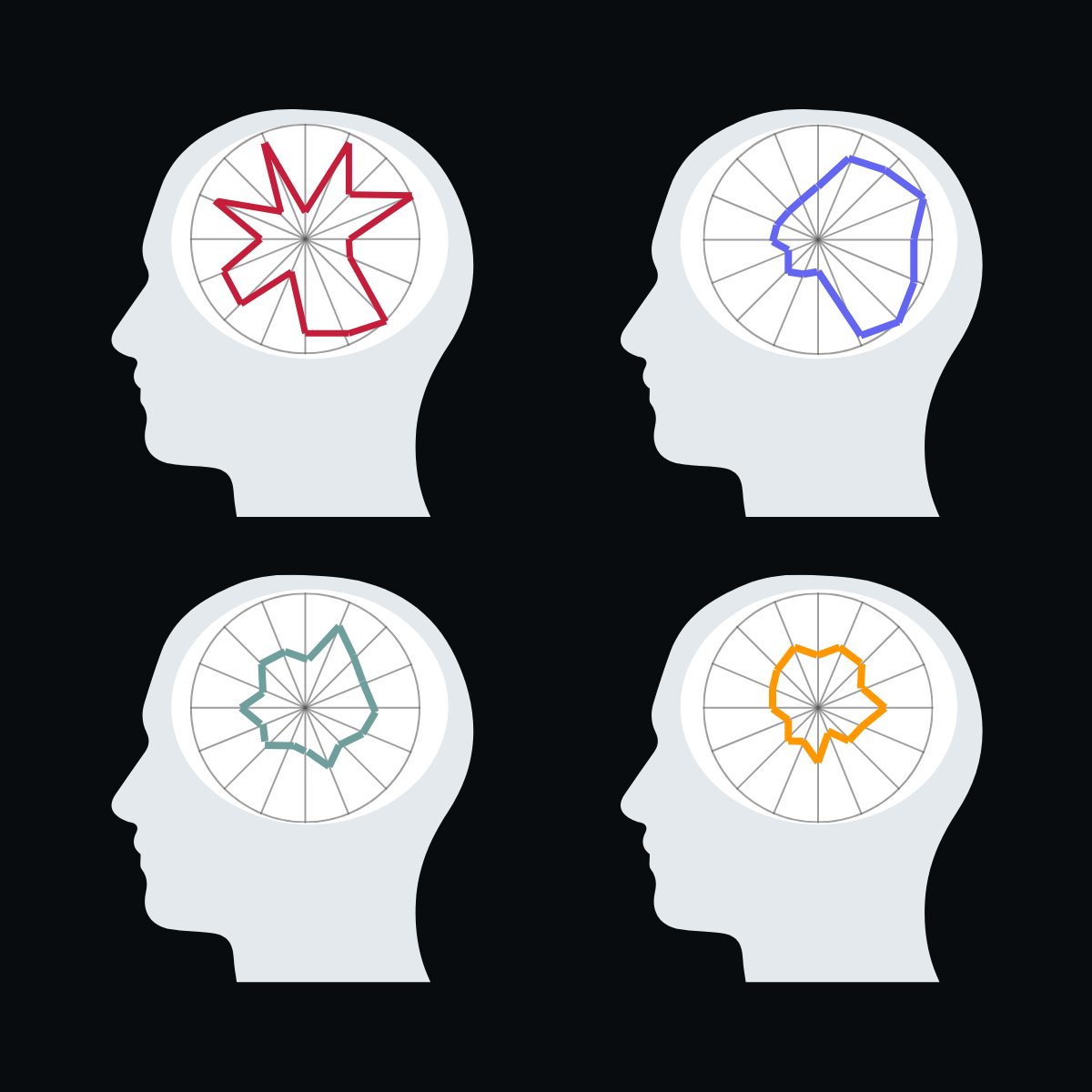
Neurodiversity can best be understood by taking the perspective of the neurodiversity paradigm. That is, all human beings are diverse, with distinct neurotypes that can be more or less common. Those who are generally more similar in neurological makeup as most others can be referred to as neurotypical, while those who tend to have quite different or distinct neurological make-ups can be referred to as neurodivergent.
Neurodiversity allows for a very wide range of neurotypes, many of which are surprising to the layperson, and these can include those with 'giftedness' or stronger intellectual capacity, those with dyslexia, dyspraxia, dysgraphia or dyscalculia, and those with acquired brain injuries. So, if you understand that people can differ in their intellectual capacity, say, then you are automatically subscribing to the neurodiversity paradigm.
Neuronormativity is a slightly different term again, and describes the process by which the neurotypical neurotype, being the most commonly represented (or observed at least), is therefore seen by some to be the 'correct' human way to be, and all others need to be 'normalised' so that they are more like trhe majority.
The concept counter to neuronormativity is neuroinclusion, which is developed and maintained via neuroinclusive leadership. The core of neuroinclusion simply extends the neurodiversity paradigm and reinforces the concept that neurodiversity desscribes natural human neurologial variation, and that the environmental and relational needs of neurodivergent team mates and colleagues are the exact ones required by their neurotypical teammates. The implication is that adjustments made at the whole team level that can improve the environment and performance of the whole team, hitting the mark for all individual need at the team level without the need to implement specific or targeted adjustments.
Research findings
Neurodiversity term coined and popularised - (Singer 2016)
Neurocognitive variation using the metaphor of biodiversity—essential to human cultural stability rather than an administrative list of pathologies.
Neurdivergent modern taxonomy outlined (Dwyer 2022)
Paradigm outlined to act similarly to a scientific lens, shifting expectations away from forced "normalisation" towards mutual interaction between individuals and their environment.
Neurodivergence, and the Canary in the coalmine effect (Praslova 2024)
Neurodivergence in the workplace as a concept and history, explored in-depth, with approaches synthesised to guide approaches to neuroinclusive leadership practice.